
You created a discount, wrote a coupon code, and shared it with your audience. But hardly anyone used it. The problem likely wasn’t the discount itself. It was the coupon wording around it.
The words you attach to a coupon determine whether a shopper feels urgency, understands the value, and actually applies the code at checkout. Vague or confusing wording leads to abandoned carts, support questions, and missed revenue opportunities. Research from Invesp shows that digital coupons can meaningfully influence shopper behavior, which makes clear, compelling coupon wording even more important. Yet many store owners still default to generic phrases like “Save Now” that do little to stand out.
This guide covers 40+ ready-to-use coupon wording examples organized by promotion type, a repeatable naming convention system, and practical tips to make every coupon you create clearer and more effective. Whether you’re running seasonal sales, loyalty rewards, or first-time buyer offers in your WooCommerce store, you’ll find ideas you can adapt for real campaigns.
What Is Coupon Wording And Why Does It Matter?
Coupon wording is the customer-facing language attached to a promotion. It includes the coupon code itself, the promotional headline, the description text, and any supporting copy that explains the offer. Together, these elements tell the shopper exactly what they’re getting, how to claim it, and when it expires.
Strong coupon wording does three things at once:
- Communicates value instantly: Shoppers scan promotions in seconds. If your wording doesn’t make the benefit obvious right away, they move on.
- Reduces friction at checkout: Clear wording means fewer “does this apply to my order?” questions and fewer abandoned carts.
- Supports your brand positioning: A coupon that says “FLASH30” positions your store differently than one that says “THANKYOU20.” Both offer discounts, but the framing changes how the customer feels about the purchase.
Think of coupon wording as micro-copy with outsized impact. Every word in a coupon description, banner, or email subject line either moves the shopper closer to checkout or gives them a reason to hesitate.
How Coupon Wording Affects Conversion Rates
The specific words you use in a coupon directly change how shoppers perceive the deal and whether they act on it. This goes beyond simply having a discount available.
Framing changes perceived value
How an offer is framed can change how valuable it feels, even when the math is similar. Jonah Berger’s Rule of 100 is a helpful example: percentage discounts tend to feel bigger on lower-priced items, while dollar-off discounts often feel stronger on higher-priced items. The same principle applies to coupon wording. “Buy 1, Get 1 Free” can feel more exciting than “50% Off When You Buy 2” because it reads more like a reward than a condition.
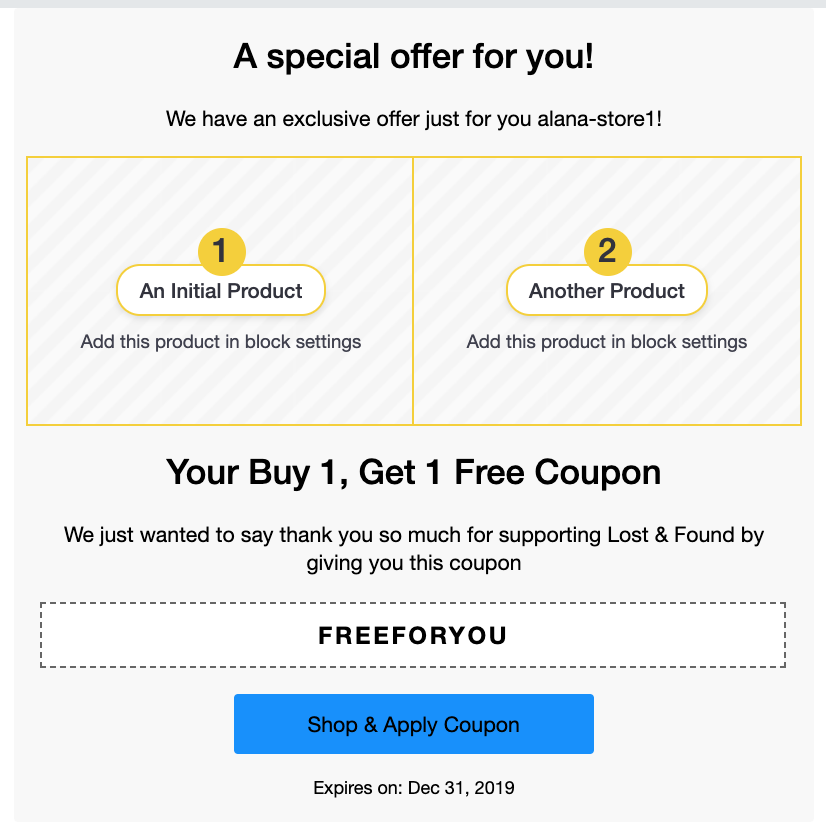
That’s why coupon wording should match both the type of offer and the price point. A percentage discount may feel stronger for lower-priced items, while a dollar-off message can feel more substantial for higher-ticket purchases. Even when the discount value stays the same, the wording can change how appealing the offer feels.
Urgency drives action
Coupons with time-bound language often feel more compelling than open-ended ones because they give shoppers a real reason to act now. Words like “expires tonight,” “24-hour flash sale,” and “this weekend only” can push shoppers past the “I’ll come back later” trap when the deadline is genuine. As CXL notes, urgency works best when it reflects a real cutoff, not an artificial one.
The keyword here is “genuine.” Shoppers are increasingly skeptical of fake countdown timers and exaggerated scarcity claims. Your urgency wording needs to match a real deadline, or you risk damaging trust.
Clarity reduces support costs
Every time a customer has to ask, “Does this coupon work on sale items?” or “Can I combine this with my other code?” you’ve added friction. Clear coupon wording preemptively answers these questions. Including terms like “applies to full-price items only” or “cannot be combined with other offers” in your promotional copy prevents confusion before it starts.
For WooCommerce store owners using a WooCommerce coupon plugin like Advanced Coupons, cart conditions can enforce these rules automatically. But even with automated enforcement, stating the terms clearly in your wording builds customer confidence.
Coupon Naming Conventions: The System Behind Great Coupon Wording
A coupon naming convention is a standardized format for creating coupon codes that makes them easy to recognize, remember, and manage. Instead of generating random strings like “7GVft6yxbsk3gdCm,” you use a structured pattern that encodes the offer details right into the code itself.
The formula that works
The most effective naming convention follows a simple three-part structure:
[DISCOUNT] + [PURPOSE] + [TIMEFRAME]
Here’s what this looks like in practice (example codes):
| Code | What It Communicates |
|---|---|
| WELCOME15 | 15% off for new customers |
| FREESHIP50MAR | Free shipping on orders over $50 in March |
| BOGO_SUMMER26 | Buy one get one, summer 2026 campaign |
| LOYALTY20_Q1 | 20% loyalty reward, Q1 promotion |
| FLASH40_24HR | 40% off flash sale, 24-hour window |
This system has two benefits. First, customers can glance at a code and understand the offer. Second, your team can sort, track, and report on coupon performance without decoding cryptic strings in your analytics.
Keep codes short and typeable
A descriptive code is useless if it’s too long to type on a mobile keyboard. Aim for 8-15 characters maximum. Avoid special characters other than underscores. Use all caps for readability, and skip easily confused characters like “O” and “0” when possible.
If you need more internal context but want a short customer-facing code, keep the code simple and store the campaign details in your coupon description or internal tracking workflow. The customer sees a clean code like “WELCOME15,” while your team keeps the extra campaign context behind the scenes.
40+ Coupon Wording Examples By Promotion Type
Below are ready-to-use coupon wording examples organized by the most common promotion categories. Each example includes a coupon code, a promotional headline, and supporting description text you can adapt for your store.
Seasonal and holiday coupons
Seasonal promotions work best when the wording ties the discount directly to the occasion. Generic “Holiday Sale” wording gets lost in the noise. Specific references to the season, event, or holiday make the offer feel timely and intentional.
- Code: NEWYEAR26 | Headline: “Start 2026 With 26% Off Your Entire Order” | Description: Ring in the new year with savings. Use code NEWYEAR26 at checkout. Valid January 1-7.
- Code: VDAY15 | Headline: “A Little Love For Your Cart: 15% Off” | Description: Treat yourself or someone special. Apply VDAY15 before February 14th.
- Code: SPRING30 | Headline: “Spring Refresh: 30% Off Sitewide” | Description: Fresh season, fresh deals. Code SPRING30 expires March 31st.
- Code: SUMMER_FREE | Headline: “Free Shipping All Summer Long” | Description: No minimum order required. Use SUMMER_FREE through September 1st.
- Code: BF40 | Headline: “Black Friday: 40% Off Everything. No Exceptions.” | Description: Our biggest sale of the year. Code BF40 is valid Friday through Cyber Monday only.
- Code: HOLIDAY25 | Headline: “Holiday Gift Guide: 25% Off Bestsellers” | Description: Shop our curated picks and save with HOLIDAY25. Offer ends December 24th.
- Code: BACKTOSCHOOL | Headline: “Back To School Savings: 20% Off” | Description: Stock up before classes start. Use BACKTOSCHOOL at checkout through August 31st.
First-time customer coupons
Welcome coupons are often a shopper’s first direct interaction with your brand. The wording should feel personal, warm, and low-pressure. Avoid aggressive sales language here since the goal is building a relationship, not just closing a transaction.
- Code: WELCOME15 | Headline: “Welcome! Here’s 15% Off Your First Order” | Description: Thanks for joining us. Apply WELCOME15 at checkout. One use per customer.
- Code: FIRST10 | Headline: “Your First Order? Take $10 Off” | Description: We’re glad you’re here. Use FIRST10 on any order over $40.
- Code: HELLOSHIP | Headline: “New Here? Your Shipping Is On Us” | Description: Enjoy free shipping on your first purchase with code HELLOSHIP. No minimum.
- Code: TRY20 | Headline: “Try Us Risk-Free: 20% Off + Free Returns” | Description: Not sure yet? Use TRY20 for 20% off. Don’t love it? Returns are free for 30 days.
- Code: JOINVIP | Headline: “Join The VIP List And Save 15% Instantly” | Description: Sign up for our newsletter and get code JOINVIP for 15% off your first purchase.
Loyalty and repeat customer coupons
Returning customers already trust your store. Your coupon wording should acknowledge that relationship. Phrases like “as a thank you” and “because you’re a VIP” make the discount feel earned rather than desperate.
- Code: THANKYOU20 | Headline: “You’ve Been With Us A Year. Here’s 20% Off” | Description: Celebrating your one-year anniversary with us. Use THANKYOU20 on your next order.
- Code: VIP25 | Headline: “VIP Exclusive: 25% Off Before Anyone Else” | Description: This sale goes public tomorrow. You get early access today with VIP25.
- Code: RETURN15 | Headline: “Welcome Back: 15% Off Because We Missed You” | Description: It’s been a while! Use RETURN15 and see what’s new in the store.
- Code: REFER10 | Headline: “Give $10, Get $10: Share Your Code With A Friend” | Description: Your friend gets $10 off their first order, and you get $10 off your next one.
- Code: LOYALSHIP | Headline: “Free Shipping On Your Next Order” | Description: Thanks for being a loyal customer. Use LOYALSHIP at checkout for free shipping on your next purchase.
- Code: NEXT30 | Headline: “Your Next Order Is 30% Off. No Catch.” | Description: This one’s just for you. Use NEXT30 within the next 14 days.
RELATED READ: How To Build Customer Loyalty (7 Actionable Tips)
BOGO and bundle coupons
Buy-one-get-one and bundle deals need wording that makes the structure of the offer immediately clear. Ambiguity kills BOGO conversions. Spell out exactly what the customer needs to do and what they get in return.
- Code: BOGOFREE | Headline: “Buy Any Item, Get The Second One Free” | Description: Add two items to your cart and the lower-priced one is free. Code BOGOFREE applies automatically.
- Code: BUNDLE20 | Headline: “Build A Bundle, Save 20% On Everything Inside” | Description: Pick 3 or more items and save 20% on your entire cart with BUNDLE20.
- Code: BOGOHALF | Headline: “Buy One, Get One 50% Off” | Description: The second item in your cart is half price. Use BOGOHALF. Discount applies to the lower-priced item.
- Code: MIX3SAVE | Headline: “Mix And Match: Any 3 For $50” | Description: Choose any 3 items from our collection for a flat $50. Add code MIX3SAVE at checkout.
- Code: PAIR_UP | Headline: “Better In Pairs: Buy 2, Save $15” | Description: Grab a pair and save. Use PAIR_UP on any two qualifying products.
Setting up BOGO deals in WooCommerce can be tricky with the default coupon system. Advanced Coupons gives you dedicated BOGO coupon conditions so you can set the exact trigger and reward products without workarounds. You can learn more about creative coupon code names that pair well with BOGO promotions.
Free shipping coupons
Free shipping is one of the strongest incentives in ecommerce. Digital Commerce 360’s shipping research shows that fast and free shipping remain major factors shoppers weigh when making purchase decisions. That’s why your wording should lead with “free shipping” clearly instead of burying it as a secondary perk.
- Code: SHIPFREE | Headline: “Free Shipping. No Minimum. No Strings.” | Description: Every order ships free with code SHIPFREE. Valid this week only.
- Code: FREEOVER75 | Headline: “Spend $75+, Ship Free” | Description: Your order qualifies for free shipping at $75 or more. Code FREEOVER75 applies at checkout.
- Code: FASTFREE | Headline: “Free Express Shipping On Us” | Description: Need it fast? Use FASTFREE for complimentary 2-day shipping on orders over $100.
- Code: LOCALSHIP | Headline: “Free Local Delivery: Same Day, No Charge” | Description: Within our delivery zone? Use LOCALSHIP for free same-day delivery.
- Code: SHIPHOLIDAY | Headline: “Holiday Shipping Is Free (So You Can Spend More On Gifts)” | Description: Don’t let shipping costs cut into your gift budget. Use SHIPHOLIDAY through December 20th.
Flash sale and urgency coupons
Flash sales only work when the urgency is real and the wording makes the deadline crystal clear. Be specific about when the offer ends. “Limited time” is weak. “Expires at midnight tonight” is strong.
- Code: FLASH50 | Headline: “50% Off Everything. Today Only.” | Description: This code expires at 11:59 PM tonight. No extensions. Use FLASH50 now.
- Code: 6HRSONLY | Headline: “6-Hour Sale: 35% Off Starts Now” | Description: The clock is ticking. Use 6HRSONLY before this page disappears.
- Code: MIDNIGHTDEAL | Headline: “Midnight Madness: Extra 30% Off Clearance” | Description: From 10 PM to 2 AM only. Stack code MIDNIGHTDEAL on already-reduced prices.
- Code: LAST50 | Headline: “Only 50 Codes Left: 40% Off Your Cart” | Description: We created 50 codes. When they’re gone, they’re gone. Try LAST50 at checkout.
- Code: WEEKEND25 | Headline: “Weekend Only: 25% Off Your Entire Order” | Description: Starts Saturday at 12 AM, ends Sunday at 11:59 PM. Code WEEKEND25.
🎯 POWER TIP: Before finalizing the offer, model the revenue impact of your flash sale so your wording matches a promotion your margins can support.
Cart abandonment recovery coupons
Abandoned cart coupons need to strike a balance between “we noticed you left” and “we’re not being creepy about it.” Keep the tone helpful, not pushy. Reference the items they left behind when possible.
- Code: COMEBACK10 | Headline: “Still Thinking About It? Here’s 10% Off” | Description: Your cart is waiting. Use COMEBACK10 to save on the items you were eyeing.
- Code: FORGOTSHIP | Headline: “You Left Something Behind (+ Free Shipping)” | Description: Come back and complete your order with free shipping. Code FORGOTSHIP, valid 48 hours.
- Code: FINISHUP15 | Headline: “Your Cart Expires Soon. Save 15% Before It Does.” | Description: We’ll hold your items for 24 more hours. Use FINISHUP15 to complete checkout and save.
- Code: OOPS20 | Headline: “Oops, You Left Without These! Take 20% Off” | Description: We saved your cart. Use OOPS20 within 72 hours and we’ll throw in 20% off.
Milestone and event coupons
Celebrating milestones gives you a natural reason to offer a discount without training customers to always expect one. Tie the promotion to something specific about your business, not just a generic sale.
- Code: 10KYEARS | Headline: “10,000 Orders! Celebrate With 20% Off” | Description: We just hit a huge milestone and you made it happen. Use 10KYEARS this week.
- Code: BDAY30 | Headline: “It’s Your Birthday! Take 30% Off On Us” | Description: Happy birthday from our team. Use your personal code BDAY30 this month.
- Code: ANNIV25 | Headline: “5 Years In Business: 25% Off Everything” | Description: Five years of serving you. Celebrate with us and save 25% storewide with ANNIV25.
- Code: LAUNCH15 | Headline: “New Product Launch: 15% Off For Early Adopters” | Description: Be among the first to try it. Use LAUNCH15 on our newest arrivals this week.
What We’ve Seen: Common Coupon Wording Mistakes
Some coupon wording mistakes show up again and again in WooCommerce stores. Here are the patterns that most often create confusion, weaken the offer, or make customers hesitate at checkout.
What We’ve Seen: One thing we commonly see is store owners creating coupon codes like “DISC10” or “PROMO1” and wondering why redemption rates are low. The problem is that these codes tell the customer nothing. When a shopper sees “DISC10” in their email, there’s no emotional pull, no urgency, and no reason to act now. Compare that to “WELCOME15” or “FLASH40_24HR,” which immediately communicate value and context.
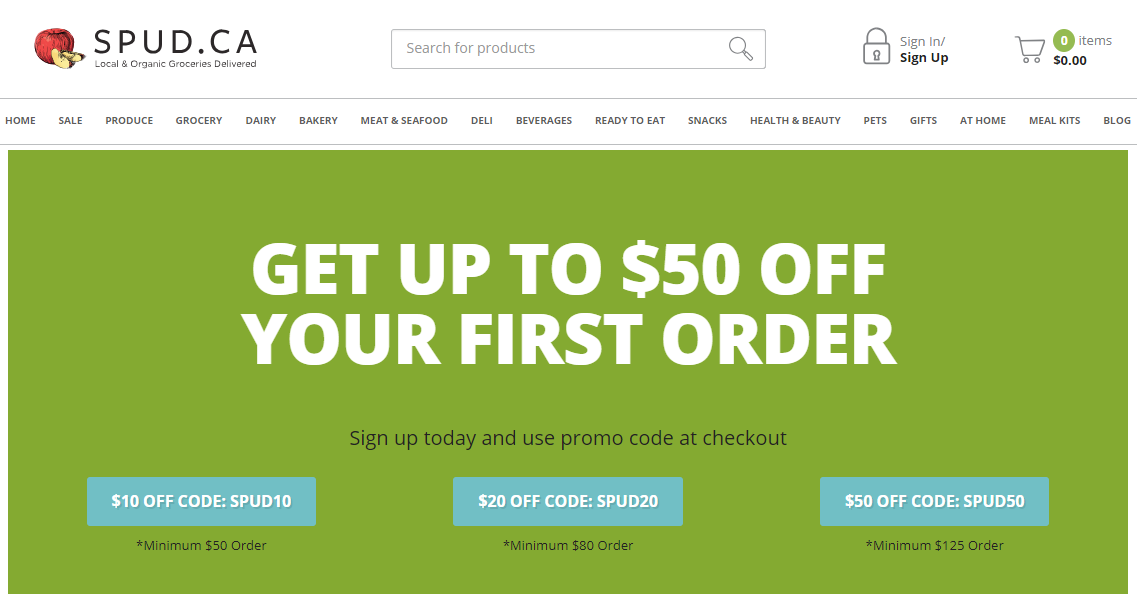
Here are the other mistakes we see repeatedly:
- Using random-string codes for manual entry: Auto-generated codes like “xK9mPq2v” are fine for one-click auto-apply coupons, but asking customers to type them manually is asking for typos and frustration. If the customer has to enter the code, make it human-readable.
- Hiding the terms until checkout: If your coupon has a minimum order, product exclusions, or an expiration date, say so upfront in the promotional copy. Customers who discover restrictions at checkout feel tricked, not incentivized.
- Using identical wording for every promotion: When every email says “Save Big Today!” customers tune it out. Vary your coupon wording to match the specific promotion type. A loyalty reward should sound different from a flash sale.
- Forgetting the expiration date: Open-ended coupons create no urgency. Always include a clear deadline in your promotional wording, even if the coupon technically doesn’t expire for weeks.
- Overcomplicating the offer: “Buy 2 eligible items from Category A, get 15% off the third item from Category B, excludes sale items, minimum $75 cart” is a conversion killer. If you can’t explain the offer in one sentence, simplify the deal.
How To Test And Improve Your Coupon Wording
Writing good coupon wording isn’t a one-time task. The best-performing stores treat it as an ongoing optimization process, just like product descriptions or email subject lines.
A/B test your promotional headlines
Run two versions of the same coupon with different wording in your email campaigns. Keep the discount identical and only change the headline or description text. Track which version gets more clicks and more redemptions. Even small wording changes can shift conversion rates noticeably.
For example, test “20% Off Your Next Order” against “Your Exclusive 20% Reward Is Waiting.” Same discount, different framing. The version that positions the discount as something “earned” often outperforms the generic offer.
Track redemption rates by code
If you’re using a consistent naming convention, you can quickly compare performance across coupon types. Are your “WELCOME” codes converting better than your “FLASH” codes? Is a 15% loyalty coupon outperforming a 20% generic one? This data tells you which coupon wording resonates with your specific audience.
Advanced Coupons also gives you access to coupon usage reports, which makes it easier to compare how different offers perform over time and spot the wording styles your audience responds to best.
Review your support tickets
If customers are emailing you with “my coupon doesn’t work” or “I don’t understand this deal,” that’s a wording problem, not a technical one. Look at which coupons generate the most support questions and rewrite the promotional copy to address those specific points of confusion.
Refresh wording every quarter
Coupon fatigue is real. If your repeat customers see the same “SAVE20” code for six months straight, it stops feeling special. Rotate your codes and refresh your promotional wording quarterly to keep offers feeling fresh and timely.
Frequently Asked Questions
What makes good coupon wording?
Good coupon wording is clear, specific, and action-oriented. It tells the shopper exactly what the discount is, what they need to do to claim it, and when it expires. The best coupon wording also creates a sense of urgency or exclusivity without resorting to misleading tactics. Avoid vague phrases like “great savings” and instead use concrete language like “25% off orders over $50, valid through Friday.”
How long should a coupon code be?
Keep coupon codes between 6 and 15 characters. Shorter codes are easier to type, especially on mobile devices where most shoppers browse. If you need more campaign detail internally, keep the customer-facing code short and save the extra context in your coupon description or reporting workflow instead of packing everything into the code itself.
Should coupon codes be uppercase or lowercase?
Use uppercase for customer-facing coupon codes. ALL CAPS codes are easier to read in emails, social media posts, and banner ads. They also look more intentional and professional. Most ecommerce platforms, including WooCommerce, treat coupon codes as case-insensitive, so “WELCOME15” and “welcome15” will both work at checkout.
How do I write coupon terms and conditions?
State the key terms upfront in your promotional copy: the discount amount, minimum purchase (if any), valid dates, and any product or category exclusions. Keep the language simple and avoid legal jargon. For the full terms, include a brief note like “See full terms” with a link. With Advanced Coupons, you can set cart conditions that automatically enforce your terms, reducing the need for lengthy written disclaimers.
Percentage off or dollar amount off: which converts better?
It depends on the product price. The “Rule of 100” principle suggests that for products under $100, a percentage discount (e.g., “25% Off”) feels like a bigger deal. For products over $100, a flat dollar amount (e.g., “Save $30”) is more compelling. Test both formats with your audience to see which generates higher redemption rates for your specific price points.
How often should I change my coupon codes?
Rotate coupon codes at least once per quarter for ongoing promotions. Seasonal and event-based codes should be unique to each campaign. Reusing the same code for months reduces urgency and allows codes to leak to coupon aggregator sites, which can eat into your margins. Fresh codes tied to specific campaigns also make it easier to track which promotions are actually driving revenue.
Can I use coupon wording to prevent coupon abuse?
Clear wording helps set expectations, but it can’t enforce rules on its own. State usage limits (“one per customer”), eligibility requirements (“new customers only”), and non-stackability (“cannot be combined with other offers”) in your promotional copy. Then use your coupon plugin’s built-in restrictions to enforce those rules at checkout. Advanced Coupons offers usage limits, cart conditions, and auto-apply rules that handle enforcement automatically.
What is the best way to display coupon codes on my site?
Place coupon codes where shoppers will see them at the moment of decision: in header banners, on product pages near the “Add to Cart” button, and in the cart/checkout sidebar. Use high-contrast styling so the code stands out. Include a one-click copy button if possible. For auto-apply coupons, display a banner confirming the discount has been applied so the customer knows the deal is active.
Start Writing Coupon Wording That Converts
Great coupon wording turns a discount into a reason to buy. The right words create urgency, build trust, and make the offer impossible to ignore. Generic codes and vague promotional copy leave money on the table every single day.
Here’s what to do next:
- Understand why coupon wording matters for conversions and customer trust
- Set up a naming convention so every code is organized and trackable
- Pick examples from the 40+ templates above and adapt them for your next campaign
- Avoid the common mistakes that kill coupon redemption rates
- Test, track, and iterate on your wording every quarter
If you’re running a WooCommerce store and want more control over your coupon campaigns, Advanced Coupons gives you the tools to create, schedule, restrict, and auto-apply coupons with the precision your coupon wording deserves. Pair strong wording with smart coupon logic and watch your redemption rates climb.





Hi, thank you so much for the advices and examples…I am having a lot of hard time to get this coupon page set up the right way. Thx a lot for the help.